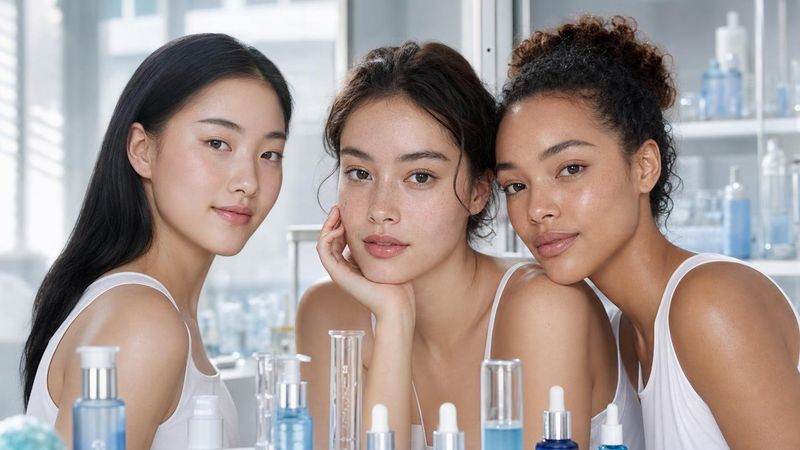
On a K-beauty set in Seoul right now, the creative brief probably starts with a formula, not a face. Words like PDRN, azulene, exosomes and “barrier repair” sit on the moodboard next to reference shots of real pores, faint redness and that almost impossibly calm “clinic glow”. For models and agencies watching Korea, understanding these ingredient buzzwords has quietly become part of understanding the casting brief.
South Korea’s hottest skincare ingredients are no longer just lab details buried on the back of the box. They drive product names, social content hooks and, more and more, the type of skin brands want to put in front of the camera. K-beauty ingredient trends now shape who gets booked, how they’re lit, and the story each campaign tells about transformation.
Why K-Beauty Turned Ingredient‑First
K-beauty built its global reputation on cute packaging and long routines, but the center of gravity has shifted. Local consumers scan barcodes in stores, use apps like Hwahae to break down formulas and compare ingredient lists on Olive Young before they even look at reviews. When shoppers search for “PDRN ampoule” or “azulene cream”, brands respond by making those molecules the stars of the show.
Industry analyses of Korean search data put PDRN (polydeoxyribonucleotide) at the top of the fastest‑rising skincare ingredients, with azulene, exosomes and barrier-support actives like ceramides and cica not far behind. Retailers lean into this with ingredient‑led merchandising. One duty‑free campaign built around a “What’s in my pouch” theme used app data to spotlight hero ingredients first, then the products that contain them.
For creative teams, that means the storyline now starts with a claim – “clinic‑grade regeneration”, “post‑procedure calming”, “barrier repair for sensitive skin” – and everything from casting to color palette has to visualize that promise in a single frame.
The Regeneration Wave: PDRN, Exosomes and the “Clinic Skin” Aesthetic
PDRN sits at the heart of Korea’s regeneration obsession. Originally used in injectable treatments, it’s a fragment of DNA often sourced from salmon or trout, associated in clinics with wound healing and improved skin texture. As it moved from treatment rooms into serums and creams, it carried that medical aura with it. Searches for PDRN skincare have surged, and so have campaigns that feel more like derm clinic ads than traditional cosmetics spots.
Visually, “PDRN skin” is not about a poreless, baby‑doll face. It’s about density and bounce: slightly mature or post‑acne skin that looks noticeably stronger and smoother without losing all texture. Sets lean toward cool whites and stainless‑steel details, echoing Gangnam clinics. Close‑ups are ruthless, shot in high definition under bright, even lighting that would have terrified older campaigns reliant on heavy retouching.
Exosomes and broader polynucleotide complexes push the same aesthetic into a more futuristic space. Marketed as cell‑signaling or “next‑gen” actives, they invite lab imagery – petri dishes, droppers falling into viscous serums, macro shots of translucent gels. Casting here often skews toward faces that look almost digitally perfect but still human: smooth, 3D‑lit skin with visible light reflection rather than flat blur.
For models, the practical takeaway is simple but demanding. Regeneration campaigns want skin that can handle extreme close‑ups with minimal foundation, slight imperfections included. Agencies increasingly submit digitals and video where talent appears in soft daylight with bare skin, plus notes on comfort with treatments or facials, because the creative may reference clinical procedures even if nothing is actually performed on set.
Azulene and the Sensitive‑Skin Protagonist
On the other side of the trend curve sits azulene, often in the form of guaiazulene. Derived from plants like chamomile, it gives formulas that distinctive inky blue color and is marketed in Korea as a soothing ingredient for sensitized or post‑procedure skin. On shelves at Olive Young, whole gondolas of powder‑blue toners, creams and ampoules signal “calm down” at a glance.
That color story dictates the casting brief. Instead of the airbrushed “glass skin” ideal, azulene campaigns like to open on visible irritation – mild redness around the nose, cheeks that flush easily, a hint of roughness – then cut to the same face looking comfortably neutral and hydrated. Directors look for models whose skin genuinely reacts, but who maintain an underlying evenness so the before‑and‑after reads clearly on camera.
This has quietly broadened who can front a K-beauty campaign. Freckles, rosacea, deeper and olive skin tones with visible color changes all work well for “sensitive skin” narratives. Male talent, office workers, students juggling city stress – they all show up in azulene and barrier‑repair storylines built around over‑exfoliation, pollution and burnout. The hero shot is no longer a glazed, reflective cheek; it is a calm, satin finish, paired with blue packaging and often a visual contrast between red and cool‑tone props.
For aspiring models, that means babying your barrier pays off more than chasing aggressive peels. Brands want to see how your skin flushes, how quickly it settles, and what it looks like without heavy coverage. A clean set of digitals showing natural redness and texture, alongside days when your skin is calm, can be a real asset for this kind of casting.
From Gangnam Clinics to Global Sets: Biotech Extremes and Barrier‑First Beauty
At the far edge of the spectrum, some high‑end Korean treatments now use ingredients developed from donated human skin, especially in Seoul’s Gangnam district. Reports from inside these clinics describe products positioned as the ultimate in regeneration, sitting alongside lasers and injectables in plush treatment rooms. Most mainstream brands will never go near that kind of ingredient, but the visual language it creates – white coats, procedure beds, real‑patient testimonials – is already filtering into wider K-beauty communication.
In parallel, older “repair” heroes like centella asiatica (cica), ceramides, panthenol and beta‑glucan quietly underpin almost every soothing, barrier‑first launch. They may not own the campaign title the way PDRN or azulene do, but their promise shapes casting just as strongly. Barrier‑focused shoots often feature families, athletes, commuters: people whose story is about resilience rather than perfection. Skin can be textured, with faint lines or old breakouts, as long as it looks comfortable and well‑hydrated.
For brands, agencies and models outside Korea, watching these ingredient waves is no longer just about product development. It is a preview of the next visual grammar of beauty: more clinic‑coded sets, more close‑ups of real skin states, and a wider range of “skin archetypes” being booked precisely because of the stories written in their faces. Keeping up with PDRN, azulene and barrier‑repair trends has quietly become part of doing your homework for the next K-beauty inspired campaign brief.