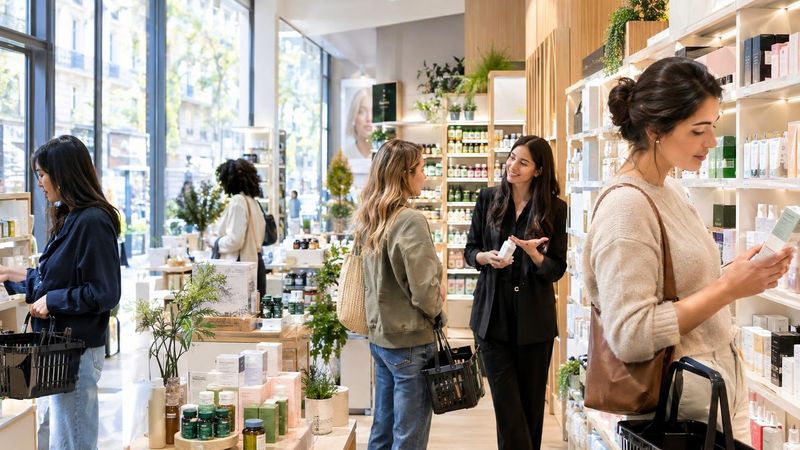
Ulta Beauty’s turnaround reads like a case study in retail rebuilding. The Bolingbrook, Illinois-based chain is the largest specialty beauty retailer in the United States, and its momentum follows a bruising 2024, when it lost market share for the first time as competition across beauty retail tightened. The decisions that followed ripple well beyond one company’s balance sheet, touching the brands that depend on Ulta’s shelves and the shoppers deciding where to spend.
Kecia Steelman took the chief executive role in 2025, the same year Ulta acquired the prestige retailer Space NK and introduced the Ulta Beauty Unleashed strategy. For its second quarter, ended Aug. 1, 2026, net sales rose 8.9 percent to $3 billion, lifted by comparable sales, the acquisition, and new-store openings. Full-year guidance points to net sales growth between 6.7 and 7.2 percent. Behind those numbers sits a playbook that reaches from store aisles to social feeds to festival activations, and it is still being written.
Inside the Ulta Beauty Unleashed Playbook
Steelman described the plan in three parts during a January 2026 keynote at the NRF Big Show. First, drive the core U.S. business forward. Second, scale new and margin-creating businesses, a group that includes prestige retail and marketplace-style experiments. Third, realign the foundation, from store formats to data, so the first two can keep compounding. “It’s not just a strategy, it’s a way of being and you can feel it through the entire organization,” Steelman said.
Value anchors the core. Kelly Mahoney, Ulta’s chief marketing officer, has described a consumer who has grown comfortable with unpredictability, noting that “value is something customers are leaning into.” Across more than 1,500 U.S. stores, that translates into protecting accessible price points while spending on the categories, channels, and partnerships pulling shoppers away from competitors.
Wellness, Social Commerce, and Faster Assortment Bets
Wellness by Ulta opened in January 2026 as a shops-in-shop concept, pairing a wider product assortment with educational resources and dedicated floor space in select stores. The goal is to keep Ulta at the front of not just beauty but personal well-being as the two categories keep intersecting in shoppers’ routines.
Social commerce followed in March 2026, when Ulta became the first American specialty beauty retailer with a storefront on TikTok Shop. Discovery happens natively there, and the storefront puts checkout inside the same app. UB Marketplace, launched in fall 2025, works as an e-commerce testing ground for additional and emerging brands before they earn wider distribution.
Trend categories move through that pipeline quickly. Medicube, Dr. Melaxin, and Anua joined the K-beauty assortment, 13 Korean hair care brands arrived in spring 2026, and Clöud Café, a Korean-inspired collagen matcha and coffee brand, landed in stores. The additions reflect a fast-following playbook that includes early bets on nascent Korean hair care and wellness categories. A July 2026 partnership with Bath and Body Works brought that retailer’s products online and into more than 600 Ulta locations.
AI, Flagships, and Fandom as Strategy
Some of the more consequential moves skip the launch-event treatment. In October 2026, Ulta introduced a ChatGPT plugin that turns its catalog into personalized product recommendations, a small feature with real strategic weight because it keeps the retailer inside the moment of discovery. A Times Square flagship is planned for 2027, giving the chain a high-profile Manhattan showcase. Store counts in Mexico and the Middle East have grown since the retailer entered both markets in 2025.
Culture carries much of the rest. The second Ulta Beauty World festival, held in Orlando, drew activations from more than 200 brands and masterclasses from JVN founder Jonathan Van Ness and Euphoria makeup artist Donni Davy. An athlete roster of six professional women, including pickleball world champion Anna Leigh Waters and Los Angeles Sparks forward Dearica Hamby, launched in February 2026. A Beat Suite glam station at Lollapalooza extended the same play into summer.
What Ulta’s Momentum Signals for Brands and Shoppers
For beauty brands, the structure matters more than any single launch. Ulta operates as an ecosystem of stores, a digital marketplace, social storefronts, live events, and an AI recommendation layer, each one a potential point of contact. Emerging labels can treat UB Marketplace as a lower-risk entry point. Established brands can co-create experiences and build around loyalty data that compounds with every transaction. It also gives smaller labels more ways in, beyond a single shelf slot.
Shoppers feel the strategy as a blend of value and access. Pricing stays competitive, trend-driven Korean products arrive faster, and stores increasingly function as gathering spaces rather than pickup counters. The same system gives shoppers more places to meet a product, from a short video to a festival activation to a chatbot suggestion. “We are executing with discipline and translating our Ulta Beauty Unleashed strategy into tangible benefits for our guests,” Steelman said in earnings commentary.