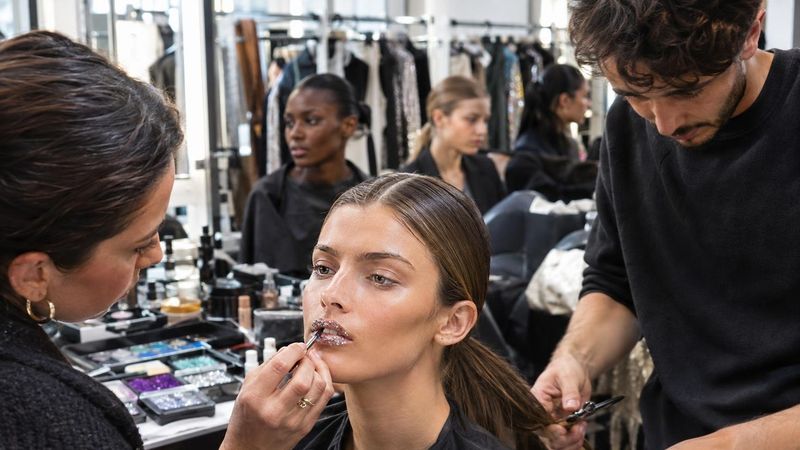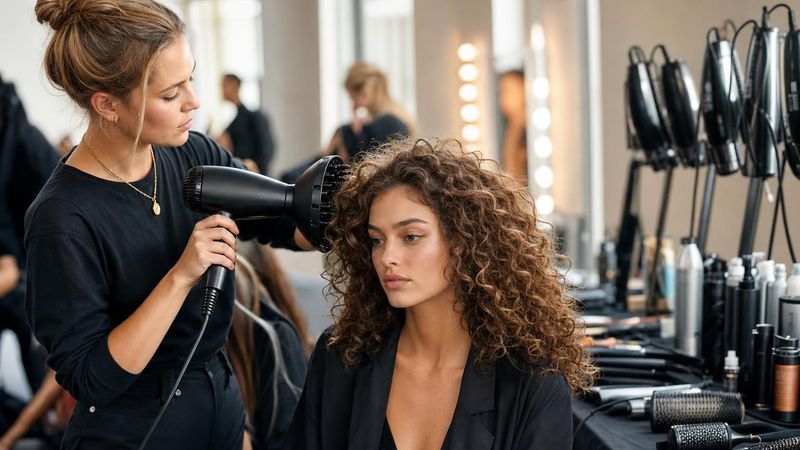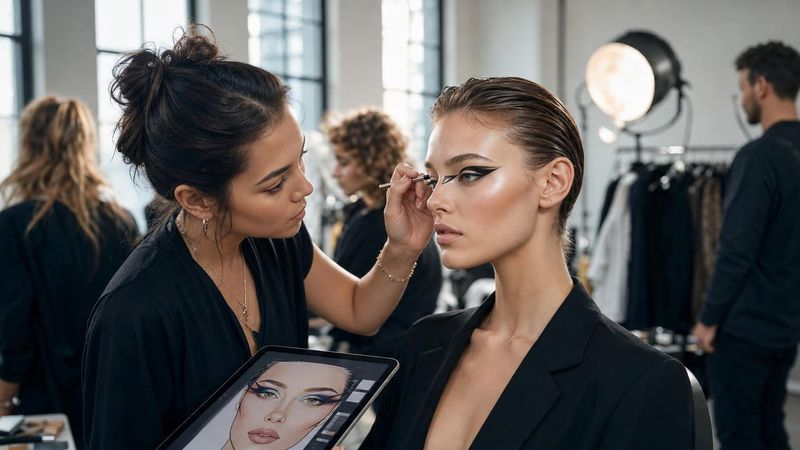
On a campaign or editorial set, the photographer and stylist used to get most of the credit for a strong image. Look closer at the beauty storytelling happening in 2020s fashion, though, and a different author emerges: next‑gen makeup artists who treat the face like a moving moodboard. Their looks are not only changing what we see on magazine pages and brand billboards, they are quietly rewriting the face charts and beauty briefs that shape those shoots.
This new wave works across celebrity, runway and advertising, often long before their names are widely known. Their references come as much from social media microtrends and niche art worlds as from classic fashion houses. That mix shows up everywhere: on the skin, in the liner, and now, very clearly, on the paper or iPad templates that direct makeup for campaigns and editorials.
From backstage legends to a new guard of beauty directors
The last few decades belonged to backstage legends like Pat McGrath and Guido Palau, who turned runway makeup into a kind of haute theatre. Many of today’s next‑gen makeup artists grew up watching their work online, then entered the industry with a very different toolkit: digital fluency, a comfort with DIY experimentation, and a feed full of subcultures and fan art.
Sam Visser is a good example. He started assisting on sets as a teenager and, in his early twenties, became a Dior Makeup ambassador in the US. His looks often remix archival fashion imagery with hyper‑modern detailing, reading like a conversation between old campaign references and TikTok beauty. Artists highlighted in programs such as the British Fashion Council’s New Wave: Creatives, or profiled for era‑defining collaborations, sit in this same space: technically strong, but speaking an aesthetic language shaped by the internet.
The aesthetic codes next‑gen makeup artists are bringing on set
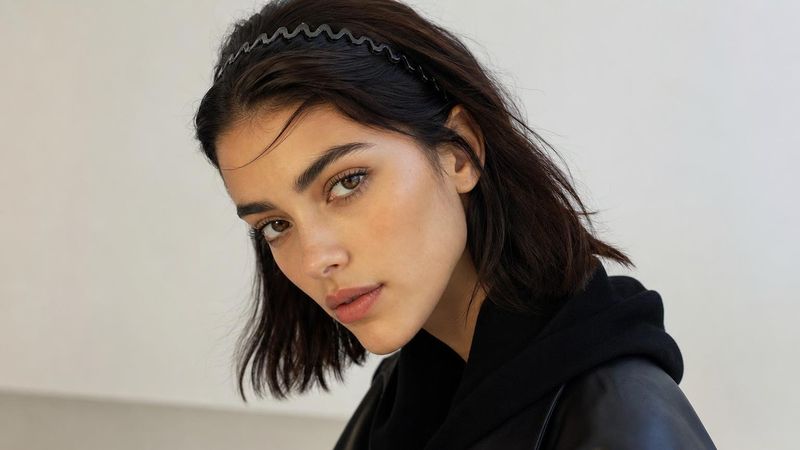
One major shift is skin. Instead of the poreless perfection that defined much 2000s beauty, newer artists tend to keep texture, freckles and even slight unevenness. The complexion becomes a storytelling base: dewy to catch studio lights, velvety to echo a vintage reference, or almost bare to let a graphic element stand out. On a face chart, that translates into more notes about finish, light and placement, and fewer blanket instructions like “full coverage.”
Eyes and brows carry much of the experimentation. 2020s fashion is full of graphic eyeliner, negative space, blurred wings and unexpected color blocking, all built to read in high resolution and tight crops. At the more theatrical end, artists like Andrew Dahling, known for his work with pop performer Chappell Roan, extend makeup into body paint, symbols and character makeup; he has said he wants people to look like “a walking piece of art.” London’s “makeup as masterpiece” scene pushes in the same direction, blending Afrofuturist motifs and fine‑art references. In all of these cases, a look is less “smoky eye” and more a character, which has to be mapped clearly before anyone touches a brush.
How these looks are rewriting face charts for campaigns and editorials
Traditional face charts were simple: a printed outline of a face, a single front view, and product notes scribbled around it. They worked well for classic beauty, where the goal was repeatable eyeliner and lipstick across a cast. Next‑gen makeup artists are stretching that format. A modern chart for an editorial might include multiple angles, small sketches of graphic shapes, arrows for where shine should hit, and a color legend matching pigments to reference images in the deck.
Digital tools make those charts even more dynamic. Many artists now sketch directly on tablets, layering options, adding swatches and dropping in screenshots from films, runway archives or social media. For commercial campaigns, that allows brand teams to sign off on precise placements and shades, then roll the look out across multiple models and markets with consistency. For editorials, it gives room to plan “alt” versions of the same story: a pared‑back take for early shots, a more experimental variation once everyone is warmed up.
On‑set collaboration: what models and creatives need to know
Because the looks are more conceptual, pre‑production conversations are deeper. Before call time, a next‑gen artist will usually have aligned with the photographer, stylist and creative director on a shared reference language: specific decades, films, club scenes or artworks. Casting then enters the picture. Features, skin tones and gender expression can influence how a chart is adapted from one model to another while keeping the visual thread intact.
On set, those charts become living documents. Test shots under real lighting can prompt quick adjustments, with the artist sketching tiny edits on the printout or updating a digital file between looks. For models, this means a bit more briefing: understanding the story your face is telling, and how multiple looks across the day connect. A good chart makes that clear without locking anyone into something that feels uncomfortable; it gives everyone a shared map, then leaves space to respond to the moment.
Aligning your own work with the next generation
For aspiring makeup artists, the biggest takeaway is that process matters as much as final images. Portfolios that resonate with agents and brands now often show both: a scan or screenshot of a face chart next to the finished editorial, or a short breakdown of how a campaign look evolved. That signals that you can think in concepts, communicate them, and collaborate across a team. Learning basic digital illustration or note‑taking on an iPad can be as useful as buying a new palette.
Models and creatives can use this shift too. When you receive a call sheet or moodboard with detailed beauty direction, treat the face chart as an invitation to ask questions: What is the character here? How many versions of this look are planned? How will it read on camera? Understanding that language makes it easier to support bolder, more interesting beauty while still advocating for your boundaries. As next‑gen makeup artists continue to blur the line between beauty and visual art, those conversations – and the charts that start them – are becoming central to how fashion images are made.