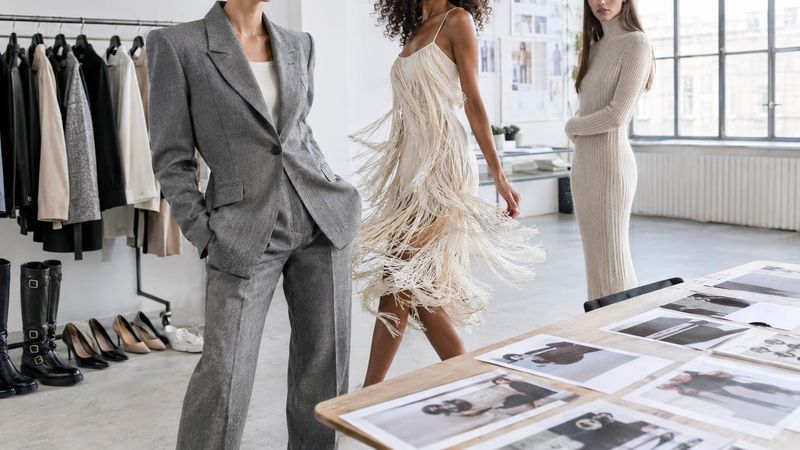
Fall Winter 2026 runways stepped away from the understated dressing that shaped recent seasons. Designers paired clean, minimalist silhouettes with rich textures, reworked wardrobe staples with unexpected volume, and let head-to-toe color carry entire looks. The season’s thesis, in short: practicality and personality can share the same closet.
For models, those runway directions double as casting briefs. A season built on contrast asks for faces and body language that can shift from polished tailoring to romantic lace to sculptural volume, sometimes within one booking cycle or a single afternoon of callbacks.
The Fall Winter 2026 Season: Expressive, Textured, Still Wearable
Six directions shaped the collections, and each one suggests a different archetype. Softened power dressing, often described as the Updated Lady, anchored shows at Chanel, Balenciaga, and Jil Sander. Khaite, Kallmeyer, and Conner Ives nodded to 1920s glamour through velvet, fringe, gloves, and geometric detail. Tory Burch and Celine reconfigured proportion altogether, while Prada and Loewe showed how layering turns familiar pieces into a statement.
Two more threads round out the map. Alaïa and Valentino built collections around body-conscious silhouettes, and Dries Van Noten and Erdem leaned into moody florals, greens, and browns. Fringe crossed every category. It appeared on spring 2026 runways at Bottega Veneta, Givenchy, and Chanel, then expanded for fall at Etro, Ulla Johnson, and Altuzarra across outerwear, dresses, bags, and shoes. Givenchy’s fringed Boudoir mules pushed the trim into footwear.
From Runway Trend to Casting Brief: The Archetypes of FW26
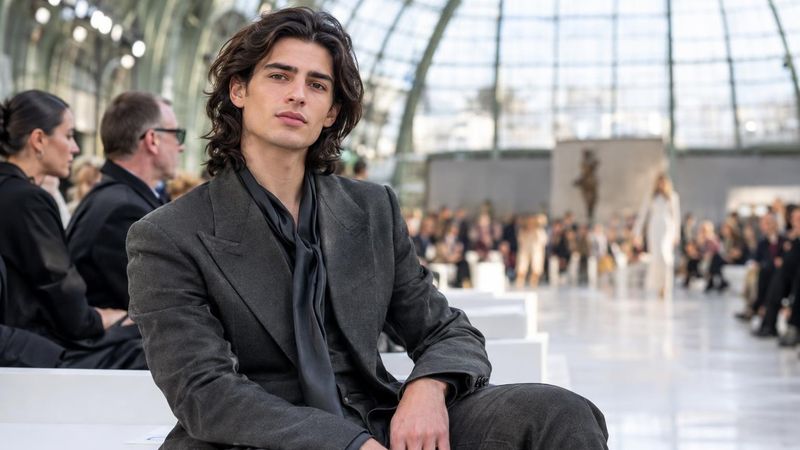
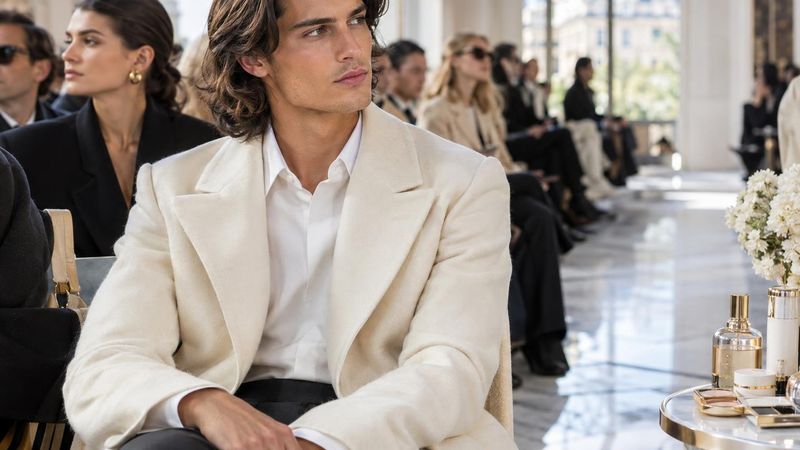
Tailoring this season rewarded composure. Suiting arrived softened rather than corporate, with gently sloping waists and sculpted jackets at Chanel, Balenciaga, Dior, Jil Sander, and Proenza Schouler. Castings built on that look want upright posture, controlled hands, and a believable kind of polish.
The Art Deco current and the season’s fringe fixation demand motion instead. Velvet, shine, and swinging trim read through profile angles and expressive hands, the same tools that book eveningwear and jewelry-adjacent work. Romantic lace at Altuzarra, Bottega Veneta, Dior, and Gabriela Hearst asks for a softer gaze and graceful arms, while Playful Proportions at Chloé and Loewe rewards models who let the silhouette lead and the face carry the story.
Loewe deserves its own note. Jack McCollough and Lazaro Hernandez, who took over the Spanish house in March 2025 after Jonathan Anderson’s twelve-year tenure, built their second collection on 3D-printed latex slip dresses, trompe-l’œil coats, puffed leather parkas, and an art collaboration with Cosima von Bonin. Conceptual clothes like these reward models who can hold a pose, stay still, and trust the garment.
Body-conscious dressing at Alaïa, Valentino, Saint Laurent, and Khaite is best handled as fit, line, and control. Castings for that work value confidence, precise micro-movements, and clear communication on set. Down to Earth collections at Dries Van Noten, Erdem, and Simone Rocha favor the opposite energy: approachable beauty, natural grooming, and ease in outdoor light.
Inside the Fall Winter 2026 Campaigns: Icons and New Faces
If runways set direction, campaigns show how casting answers it. Bottega Veneta cast Julianne Moore, Alaïa tapped Doutzen Kroes, Chloé brought back Claudia Schiffer, Donna Karan worked with Irina Shayk, and Kate Moss fronted both Gucci’s Primavera campaign and Hunter’s 170th-anniversary story.
Younger names carry equal weight. Kendall Jenner fronted Frame in the Hollywood Hills, Prada’s cinematic Simple Stories starred Hunter Schafer and Troye Sivan, and Saint Laurent cast Connor Storrie, Rosé, and Liu Wen together. Fendi’s Peekaboo story paired Monica Bellucci with Yara Shahidi, and DKNY matched Amelia Gray with Iris Law.
The pattern matters more than the names: storytelling faces matter more than any fixed age bracket. Campaigns lean on narrative setups, from après-ski worlds at Louis Vuitton and Chanel to festive interiors, and they reward talent who can hold a mood rather than simply a pose.
How FW26 Footwear Rewrites a Model’s Walk
Shoes changed the job as much as clothes did. Biker boots at Balenciaga, Dries Van Noten, and Proenza Schouler grounded the stride and added attitude to softer looks. Sock boots at Chanel and Celine called for a clean, uninterrupted leg line, and kitten heels reworked by Celine, Prada, and Proenza Schouler asked for poise and ankle strength rather than height.
Flats and sneakers carry their own casting logic. Slippers at Gucci, Ralph Lauren, and Conner Ives bring ease to polished looks, while low-profile sneakers in sand suede, satin, and wine red have become the default for street-style and social-first work. T-straps at Dior and Givenchy, styled over socks at Dries Van Noten and Fendi, bridge the two worlds. Each shoe changes posture, pace, and presence, so walk practice stays essential.
Updating Your Book for the Fall Winter 2026 Cycle
A trend-aware book does not mean chasing every runway moment. One strong suiting image, one motion shot that shows fringe or shine, one soft romantic frame, and one clean silhouette image cover most of this season’s briefs. Natural-light earth tones round out the story, and a mix of boots, heels, and flats shows range.
Digitals stay simple: tank-and-jeans polaroids in even light, hair back, minimal makeup. Trend nods belong in the book and on social, where one styling detail can signal that you understand the season. The long view supports that approach. Kitten heels, textured pumps, and slip-on silhouettes already appeared on spring 2027 runways in New York, so the expressive, personality-driven direction is holding. Core skills still decide bookings; trends only shift which facets get highlighted.