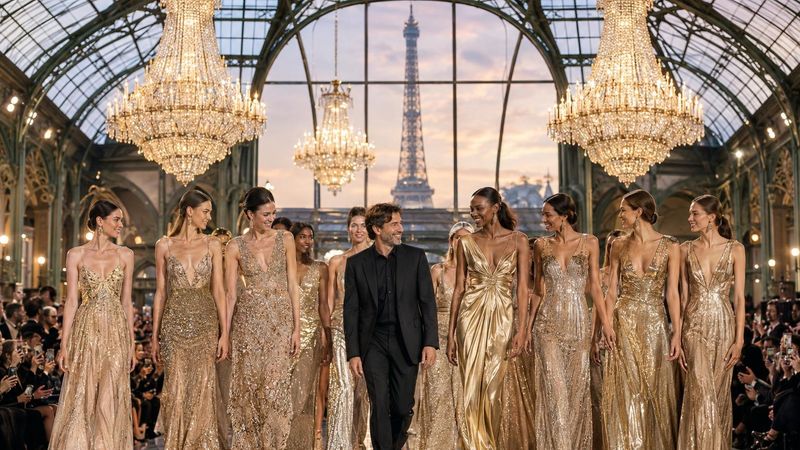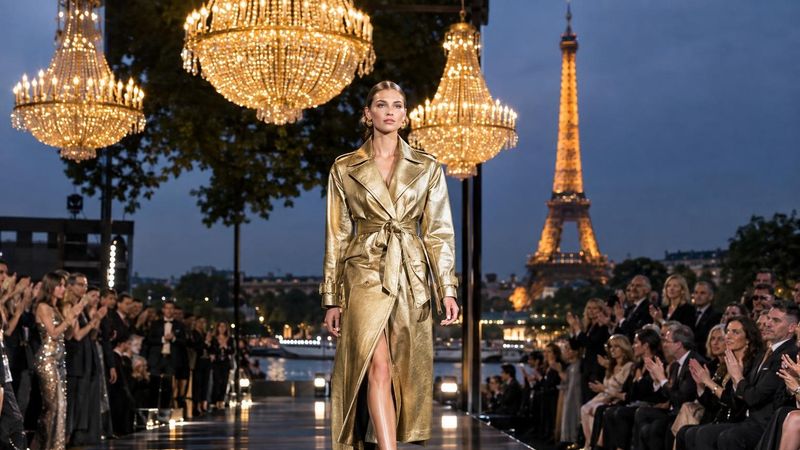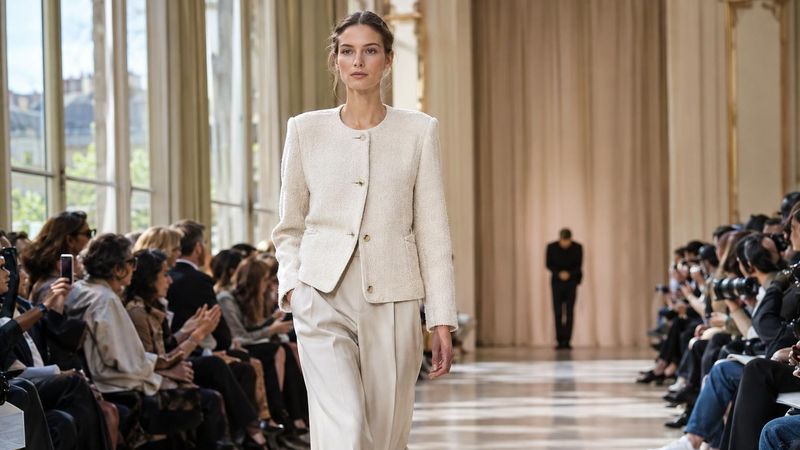
Christian Dior Spring 2027 Ready-to-Wear took the 14:30 slot on Tuesday, September 29, 2026, inside a Paris Fashion Week calendar that ran from September 28 to October 6. The Fédération de la Haute Couture et de la Mode placed the show in its House of Show tier with a livestream, so the collection reached front-row editors and online viewers at the same moment.
For Jonathan Anderson, that matinee was a turning point. It marked his third womenswear ready-to-wear collection for the house, after Spring 2026 and Fall 2026, and the season where the introductions ended. He now designs Dior women’s, men’s, and couture at once, the first person to hold all three roles since Christian Dior himself. The show also arrived under real commercial pressure: analysts at Bernstein estimate Dior sales slid roughly 6 to 8 percent in 2025. The assignment was to show whether a settled identity can sell as convincingly as a debut.
One Dior, Three Runways: How Spring 2027 Fits the House Timeline
Placed against the seasons around it, the collection looks less like a standalone statement and more like a continuation. Dior Resort 2027 seeded a fringed, shredded treatment of the Bar jacket that later resurfaced in the Spring 2027 menswear lineup, and the men’s collection carried a club-ready energy that speaks directly to the women’s runway. Couture, meanwhile, has served as the laboratory where the rigid architecture of the New Look was steadily loosened.
Staging supports that single-universe idea. Recent Dior presentations have leaned on immersive, cinematic sets, from the Resort 2026 showing at LACMA to a tropical treescape built for the Spring 2027 couture collection. Spring 2027 ready-to-wear is where those codes stop reading as experiments and start reading as daytime clothes, which is what a house under sales pressure needs from its runway.
The Soft Bar Line: What Changed in the Dior Silhouette
The Bar jacket remains the house’s founding code, and under Jonathan Anderson it has been softened rather than retired. Knitted versions, eased shoulders, and hybridized proportions have replaced the armor-like original in the ready-to-wear offering, shifting Dior away from a single hourglass statement toward something closer to a full wardrobe.
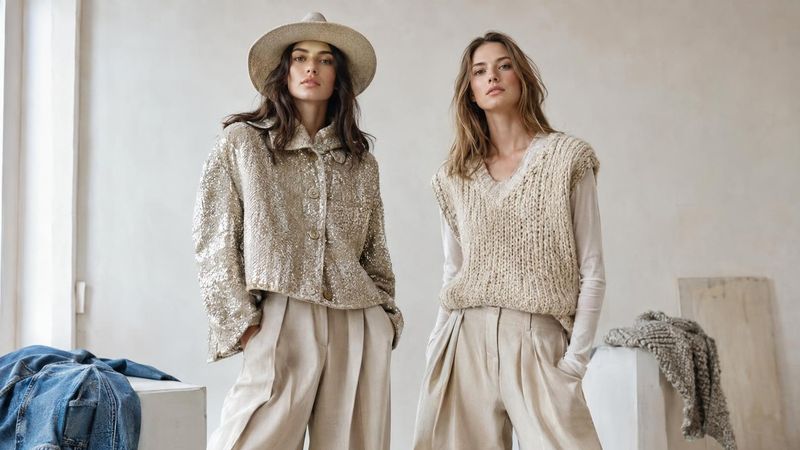
The mechanics on this runway still need confirmation against the look images: how the jackets now sit on the body, where volume is held or dropped through the torso, and which pieces translate couture-level surface work into daywear [VERIFY FROM LOOK IMAGES]. Those details decide whether the softened Bar line is a styling trick or an actual structural change.
The Dior Casting Read and What It Means for Aspiring Models
Casting credits for this show have not surfaced in the current source set, so who opened and closed, which Dior faces returned, and whether the men’s and women’s lineups shared models still needs verification against the official lineup [VERIFY FROM CASTING CREDITS]. Across those collections, the emphasis has leaned toward presence rather than spectacle.
A softened silhouette behaves differently on the body than a structured one. It favors models who hold a long, unhurried walk, who look at ease in knits and fluid tailoring, and who can carry a look without heavy styling. For aspiring models, that is a practical read on Paris: the market there still rewards versatility across a house’s men’s, women’s, and couture arms, and Dior is currently the clearest example of a brand casting for one consistent image across all three.