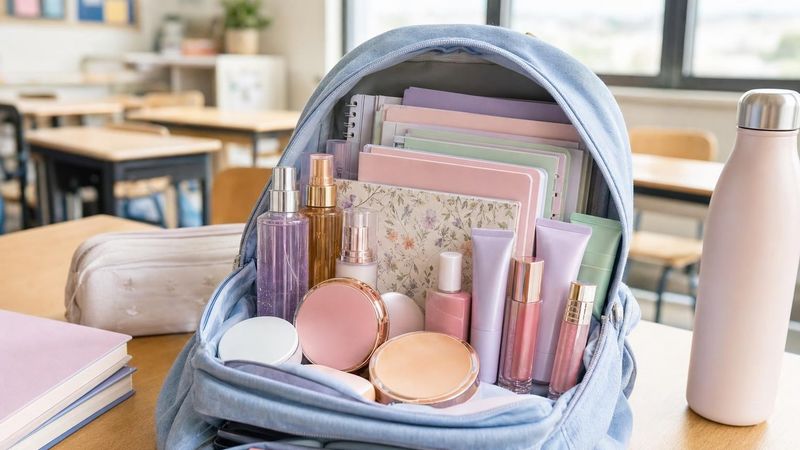
Unzipping a middle school backpack in 2026, you are as likely to find a pastel body mist or cushion compact as a math notebook. Luxury logos, once reserved for department store counters and duty free, now appear on hair mists, hand creams and lip oils that live in lockers, gym bags and camp trunks. Generation Alpha has turned Gen Alpha luxury beauty into an everyday habit, and prestige brands are quietly redesigning themselves to fit inside a zip pocket.
Behind the cute packaging sits a serious strategy. Brands want to recruit this cohort young, but they also know every stick of balm or mini mist must pass through parents, older siblings and school rules. That tension – between desire, access and responsibility – is where backpack-ready luxury beauty is taking shape.
Who is Gen Alpha, and why beauty is their first luxury language
Generation Alpha usually covers kids born from around 2010 to the mid 2020s. By the end of the decade they are expected to total more than 2 billion individuals worldwide. They are the first group raised fully on streaming, smartphones and remote everything, from lessons to playdates. By some estimates, their combined direct and indirect spending power could reach several trillions of dollars before 2030, and beauty is one of the first categories where that influence shows.
Industry research in the United States points to teens spending roughly 324 dollars per year on beauty essentials, with that figure climbing by more than 20 percent year over year. Around 60 percent of teens already buy prestige beauty, and about 70 percent of parents say they purchase prestige brands for their children as well. Those young prestige users spend more than twice as much on beauty as peers who stick to mass. At home, 92 percent of parents report that their Gen Alpha kids regularly introduce them to new products or brands. For many families, a fragrance mist or “fancy” lip oil is the first luxury logo that feels realistic long before sneakers or bags.
From TikTok feed to school bag
Beauty for Gen Alpha often starts on a screen. Short videos of routines, “get ready with me” clips and “skintellectual” talk about ingredients turn serums and sunscreens into characters in an ongoing story. The #SephoraKids trend – where children and preteens shop viral, adult-grade products – made that visible, but it also highlighted real concerns about harsh actives, anti-aging promises and pressure to look “perfect” too early. Dermatologists and educators keep repeating the basics for young skin: gentle cleansing, moisture, sun protection and a healthy barrier instead of peels and high-dose retinol.
The journey does not stop online. For many tweens, a trip to Sephora, Ulta Beauty or even a mall accessories chain is a social outing, not just a shopping errand. Studies show that a strong majority of Gen Alpha users of fragrance and makeup still prefer to buy in store. They want to spray, swatch and smell before choosing the one item that will come home. That chosen product then migrates into daily life – slipped into a backpack side pocket, tucked into a dance tote or hidden in a camp trunk – so brands design with that “everywhere” usage in mind.
How prestige brands are redesigning price and product for the backpack
Top tier names have understood that if they want a spot in the school bag, they cannot only speak in 200 dollar bottles. Luxury houses are expanding their lines with more accessible entry points that still feel indulgent. Valentino Beauty, for instance, extended its Born in Roma universe with gelato-inspired hair and body mists priced around 49 dollars, roughly one third of a classic eau de toilette. Viktor and Rolf launched playful gourmand fragrances at about 100 dollars, well below the price of some of their hero scents.
Fragrance is not the only territory. At the Estée Lauder group, Le Labo translated the cult aura of Santal 33 into hand soaps and lotions in the 50 to 80 dollar range instead of nearly 250 dollars for a full-size perfume. Editions de Parfums Frédéric Malle added bath and body to a high fashion collaboration, again at prices under half those of its main bottles. YSL Beauté created a cushion foundation that borrows the portable K-beauty format and sits about 20 dollars cheaper than the rest of its complexion line. Consultants describe a new kind of pressure: a louder set of competitors, from K-beauty to indie brands, combined with consumers who expect innovation, marketing and clear value. Lighter formats and lower tickets let prestige answer that expectation without abandoning its image.
What “luxury in the backpack” looks like in practice
Designers quietly reverse-engineer the school day when they plan products for Gen Alpha. A backpack-ready item needs to be small enough to pass as a pencil case extra, sturdy enough to survive being dropped, and intuitive to use between classes. Mists, sticks, cushions and pocket-size hand creams tick those boxes. They are easy to lend to friends, quick to apply without a mirror and less likely to spill than a glass bottle or liquid lipstick. Co-branded pouches or cases turn them into accessories that sit comfortably next to headphones and phone charms.
Sensoriality plays a huge role. This generation might live on screens, but it loves textures and satisfying sounds: caps that click, sprayers that fog the air, jelly balms that squish, shimmer that catches the light when you unzip a bag. Many scents lean toward fruity or gourmand notes that feel comforting and fun rather than overtly seductive. The aesthetic is less “night out” and more “sleepover” or “after practice reset”, which matters for parents, schools and camps that monitor how grown-up certain products might seem.
Winning the whole household, not just the kid
The real target of Gen Alpha luxury beauty is often the entire family. Numbers on prestige spending show that households with children are driving faster growth in high-end fragrance and makeup than homes without kids. The same entry-level product can carry different meanings at each age: a first “real” beauty purchase for a 12 year old, a nostalgic throwback for a Gen Z sibling, a budget-friendly treat for a parent who still wants something from a favorite fashion house during an inflationary period.
Brands that navigate this well adopt a dual tone. Front-facing campaigns use bright colors, simple language and creators close in age to the audience, while brand sites, blogs and in-store materials speak more to caregivers, with explanations about ingredients, age recommendations and responsible use. Teen-focused labels like Indu co-create formulas and content with panels of young people and run educational hubs on skin basics. Byoma builds campaigns against skincare misinformation, and Bubble partners with stories about preteen emotions to reframe routines as self care instead of perfection. Established names such as Dove and Kiehl’s lean into education and media literacy as much as they do into texture and scent.
Fashion and modeling sit in the background of all this. The body mist that makes it into a camp duffel with a Valentino or YSL logo also plants a brand name in a young mind years before that person chooses a prom dress, a first designer bag or a fragrance fronted by a favorite model. For agencies, casting directors and aspiring talent, understanding how Gen Alpha meets luxury first through small, safe, portable objects helps explain why campaigns now so often feature multi generational stories, softer beauty ideals and a language of care rather than pure glamour. The way prestige beauty behaves in the backpack today will heavily influence which houses still feel aspirational when this generation starts signing its own contracts and walking its own runways.