On shoots and runways, the beauty brief often sounds luxurious: glass skin, lacquered liner, statement hair. Yet behind the scenes, the brands growing the fastest are not the ones with four-figure gift sets. They are the affordable lines in your TikTok feed and at the end cap in Ulta or Target.
From Korean skin care to bold eye-shadow palettes, accessible pricing is quietly winning the growth race. While luxury beauty sales keep climbing, the most explosive curves on the charts now belong to brands whose serums sit under $30 and mascaras under $15. For models, makeup artists and anyone building a beauty-facing career, that shift matters.
Luxury is thriving, but affordable is outpacing it
Luxury beauty is far from struggling. One global market study projects high-end and ultra-luxury cosmetics to reach about $79.45 billion in revenue in 2025 and roughly $150.89 billion by 2034, implying steady annual growth of around 8.3 percent. Skin care leads the way, powered by claims around performance, personalization and sustainability.
Set those solid, single-digit gains next to what is happening at the affordable end. CreatorIQ data shows that three of the four fastest-growing beauty brands worldwide by earned media value (EMV) over the last year are known for accessible prices. Medicube, a Korean skin care line with most products under $30, grew its global EMV by 150 percent to $709 million. Morphe, whose eyeliners and mascaras retail around $13 and 12-pan palettes around $23, increased EMV by 105 percent to $622 million. That is a very different velocity.
Why shoppers are trading status for “smart” formulas
Cost of living pressure is part of the story. Beauty still plays the “lipstick effect” role – small indulgences that feel justifiable when bigger luxuries are delayed. But the definition of a good splurge has changed. Instead of paying for a logo on the bottle, many consumers want visible results from a product that fits into a normal monthly budget.
Research cited in the industry shows only about 14 percent of US beauty shoppers now believe that a higher price automatically means better quality. The rest are looking at ingredient lists, before-and-after photos and dermatologist recommendations. Brands like CeraVe and The Ordinary tapped into this early with simple, active-focused formulas at drugstore prices, often under $10. They look clinical on the shelf, perform convincingly online and feel mentally “safe” to buy repeatedly.
K-beauty labels such as Medicube and Anua push that logic further: sensorial textures, clinically inspired ingredients and detailed routine guidance, still priced well below prestige. When a serum that feels luxe on the skin costs less than a latte habit, shoppers are more willing to test it, repurchase it and talk about it publicly.
Creator-first marketing turns affordable brands into social giants
The other big advantage of affordable brands is how they are built for the creator economy. EMV, the metric where Medicube and Morphe are surging, estimates the media value of all unpaid social content about a brand – posts, tags, tutorials, GRWMs. It is essentially a proxy for how loudly the internet is talking about you.
Alex Rawitz, director of research and insights at CreatorIQ, notes that “consumers are favoring affordable brands that implement consistent, creator-first strategies to build affinity and awareness”. Low prices make those strategies easier. When a full face of products costs what a single luxury lipstick might, everyday creators can actually buy the products, film looks, link to TikTok Shop and drive real sales without feeling out of touch.
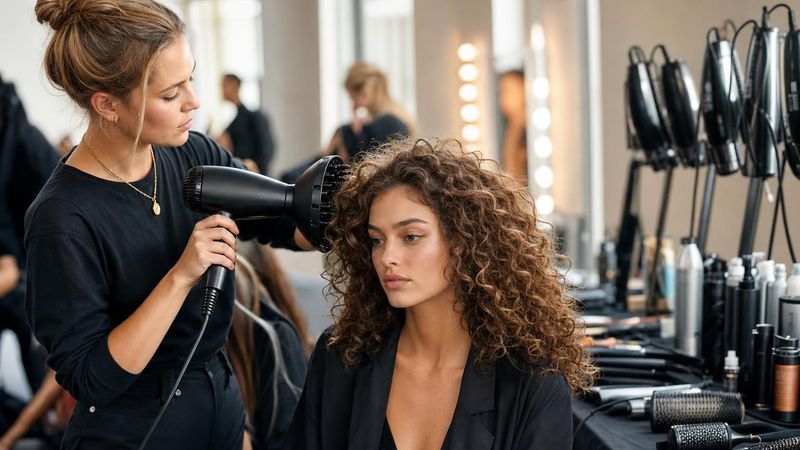
This loop is exactly what is powering brands like Morphe, rebounding from bankruptcy with a tighter range and a heavy focus on influencers and Ulta shoppers. It also explains why hair brands in the accessible space – from Amika and Shark Beauty to L’Oréal Professionnel’s salon-adjacent offerings – are popping up in growth rankings. Their tools and treatments sit at a price where trends like “heatless blowout” or “glass hair” can scale fast on social.
Mass divisions inside giants like L’Oréal are seeing the benefits as well. Their consumer brands (think L’Oréal Paris, Maybelline, Garnier) have reported some of their strongest growth in decades, with makeup in particular growing in the mid-teens. Strong formulas at a price point that feels casual, amplified by TikTok and Amazon, are doing a lot of heavy lifting.
What this means for models, makeup artists and aspiring creators
For models and fashion-adjacent talent, the rise of affordable beauty is not just a retail story, it is a casting story. Campaign volume from prestige fragrance or couture houses will always matter, but the sheer number of shoots, social campaigns and live shopping events now comes from brands positioned at $10 to $30 an item.
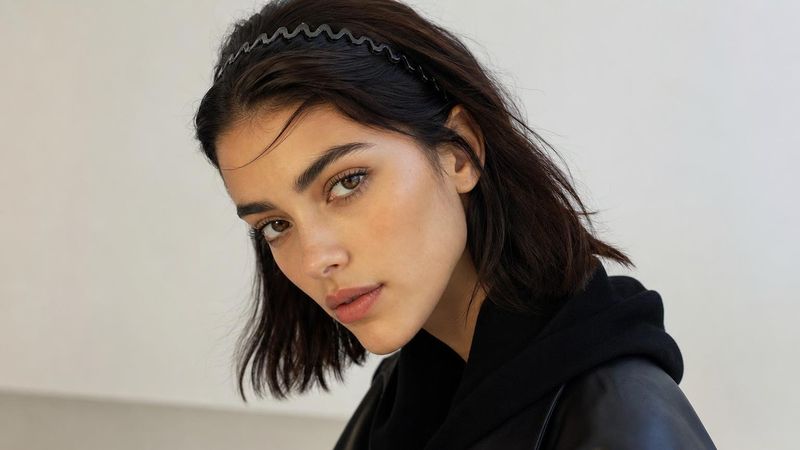
These labels are also more likely to cast “real” faces and diverse looks, because their audience is broad. A model with strong social presence and the ability to create content – quick tutorials, GRWMs from set, behind-the-scenes reels – is particularly attractive to a brand that thinks creator-first. The budgets per project can be lower than a global luxury campaign, but the frequency and long-term partnerships can add up.
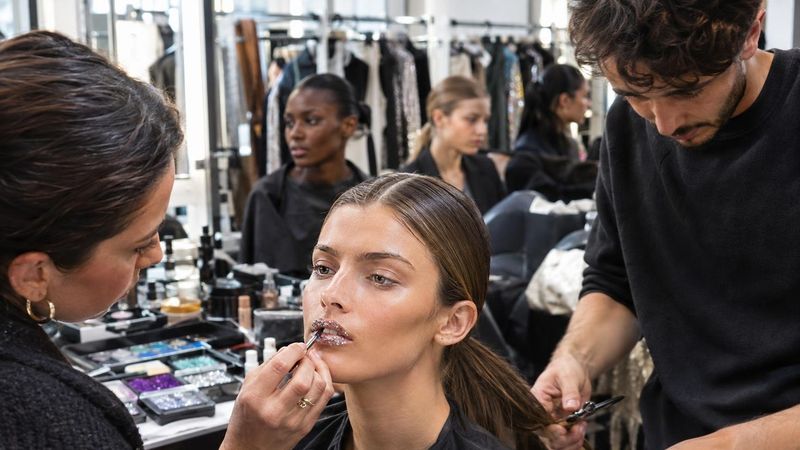
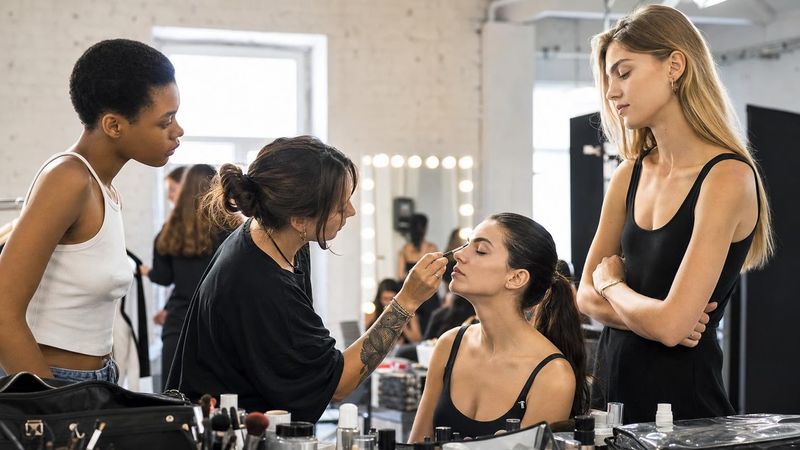
Makeup artists feel the shift directly in their kits. Where once a fully stocked set bag meant primarily prestige, many working artists now mix: luxury complexion products where the shade and finish are critical, paired with affordable mascaras, liners, glosses and even skin preps that perform well on HD cameras. For newer artists, building a professional kit with high-performing affordable brands makes the upfront investment far less intimidating.
For aspiring beauty creators, the message is clear. Brands that are growing fastest are hunting for authentic voices who actually use their products day to day. Posting polished looks with only unattainable luxury items feels less relevant than showing clever ways to combine a $9 active serum, a $13 eyeliner and a $20 hair tool that followers can realistically buy after watching your video.
How to spot the next fast-growing affordable brand
If you work around beauty, learning to read these signals can help you choose collaborators – or simply stock your kit – with tomorrow’s stars. Fast-growing affordable brands usually share a few traits: prices that feel easy to try, formulas that borrow seriously from skin science, and packaging that communicates clearly in a three-second scroll.
They tend to live where their audience shops in real life (drugstores, mass retailers, big online platforms) and where that audience hangs out digitally (TikTok Shop, Instagram Reels, YouTube Shorts). Their feeds are full of creators rather than only glossy campaign shots, and they often speak about inclusivity, accessibility and transparency as core values, not as an afterthought.
Luxury beauty is not going anywhere; its market is still growing solidly. But if you are planning a career on the beauty side of fashion – as a model, artist or content-driven personality – the brands most likely to call you next year may be the ones whose hero products sit on the affordable shelf. Knowing how and why they are winning is part of being industry-savvy now.