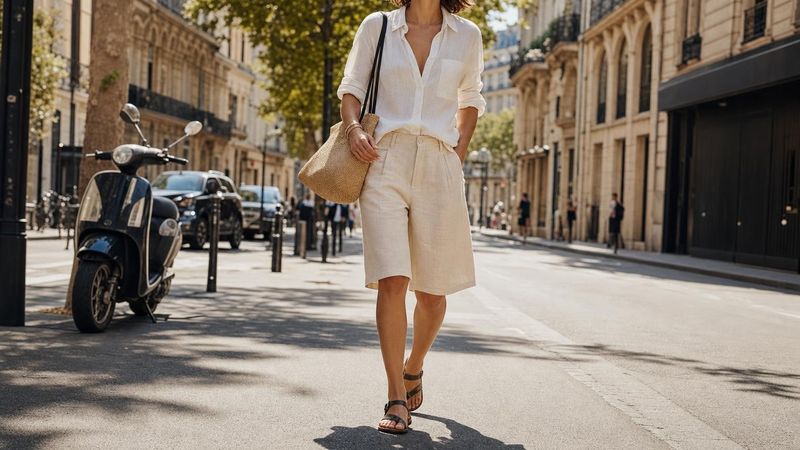
Scroll through any summer campaign right now and one thing jumps out: nobody is pretending it’s 72°F anymore. Models are shot on blazing pavements, wilting subway platforms, rooftop terraces at noon. Heat is part of the story. That is exactly the shift street‑style photographer Tommy Ton has been documenting in his take on heatwave dressing for Vogue — and it has real consequences for how you book warm‑weather campaigns, editorials, and street‑style coverage.
Ton’s pictures show a new version of “summer polish” where ease and breathability read more luxurious than stiff tailoring. For models, that doesn’t just mean buying another linen dress. It means understanding which silhouettes, fabrics, and styling choices now feel modern on camera, and then building your castings, digitals, and Fashion Week looks around them.
Heatwave dressing is changing what gets booked
Recent men’s fashion weeks in Paris and Milan took place in near 104°F heat. Guests skipped re‑sees, shows were rescheduled, and editors dressed more like they were on holiday than at the office. At the same time, search data for “heatwave outfit” has spiked, and brands quietly rebranded high‑summer drops as “heatwave‑ready” capsules. This isn’t a one‑off heat spike; it’s a new working condition.
For clients, the question is no longer just “Does this person fit the brand?” but also “Do they look believable moving through a brutally hot city?” Campaigns need talent who can sell raffia bags in Manhattan, sandals on Milan cobblestones, cotton poplin in the Paris metro. If your portfolio still leans on heavy blazers, opaque tights, and layered fall stories, you risk feeling out of step with what art directors are actually shooting in July and August.
Inside Tommy Ton’s lens: the new codes of summer polish
Tommy Ton built his name shooting people who look effortlessly themselves, even under the most unforgiving conditions. In his summer work, that ease comes from three things: fabric, space, and reality.
Fabric first: he keeps coming back to crisp cotton poplin, airy linen, washed silk, soft voile, and lightweight viscose. These materials stand away from the body and move when the wearer walks, which reads beautifully in both stills and video. A linen dress that creases or a cotton shirt that softens over the day doesn’t look messy in his frame; it signals that the person is actually out in the world, not styled in a studio bubble.
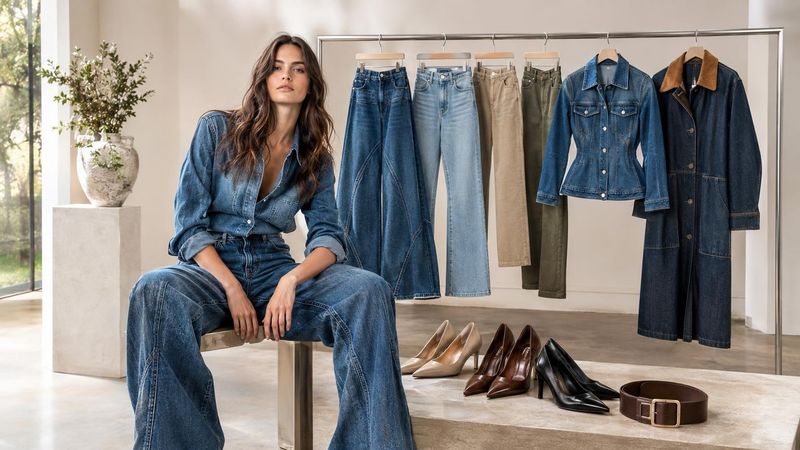
Space is the second code. The most modern looks create a little air between skin and cloth: wide denim that “gets room to breathe,” long tailored shorts instead of micro cut‑offs, fuller skirts that catch the wind. When layers disappear, Ton’s images rely on clean proportions and a single focal point — a long skirt doing the talking, a simple ribbed tank grounding sheer layers, a mostly white outfit accented with darker sandals and a bag.
The third code is reality. Ton gravitates toward outfits that acknowledge the heat rather than deny it: sleeveless dresses in the city, vacation‑coded pieces like raffia and woven leather in office contexts, sandals that look like they’ve walked more than a single block. That honesty is exactly what many brands want from high‑summer imagery right now.
Translating heatwave style into castings, tests, and campaigns
Start by building a small “heatwave dressing” kit you can rely on for digitals, self‑taped castings, and last‑minute go‑sees. Think in fabrics and proportions, not trends.
For tops, a few clean tanks and bodysuits in breathable cotton or viscose are your base. They show your lines clearly without clinging uncomfortably on long days. Add one or two lightweight shirts in cotton poplin or linen that you can wear open over a bra‑style top for a grown‑up version of skin: more about layering and shape than exposure.
For bottoms, prioritise silhouettes that move: long tailored shorts in suiting fabric instead of denim cut‑offs, wide‑leg linen trousers, a simple midi skirt with enough sweep to catch air when you walk. On camera, these shapes echo what Ton is shooting outside shows and what clients are booking for resort and “city in August” stories.
When you plan test shoots, pitch concepts that reflect this new reality. A story that mixes city backdrops with vacation pieces — linen dress, woven tote, leather sandals — will feel far more current than another trench‑and‑turtleneck editorial. Ask photographers to capture motion: walking across a crosswalk, climbing subway stairs, turning quickly so a skirt flares. Heatwave dressing is about how clothes move in real conditions, not just how they look standing still.
Street‑style strategy in extreme heat
Outside Fashion Week venues in Manhattan, Paris, or Milan, the line between city dressing and vacation dressing has almost disappeared. Linen dresses, raffia bags, barely‑there sandals that once lived only on the Riviera now look completely normal on a concrete sidewalk in 95°F heat. That’s the backdrop for street‑style images that can quietly double as portfolio material.
To catch a lens like Ton’s and still look bookable to brands, aim for outfits that tell a clear, simple story. A few formulas that translate well:
– Long tailored shorts + ribbed tank + loafers or sturdy sandals. Professional enough for castings, cool enough for the sidewalk, and easy to shoot in stride.
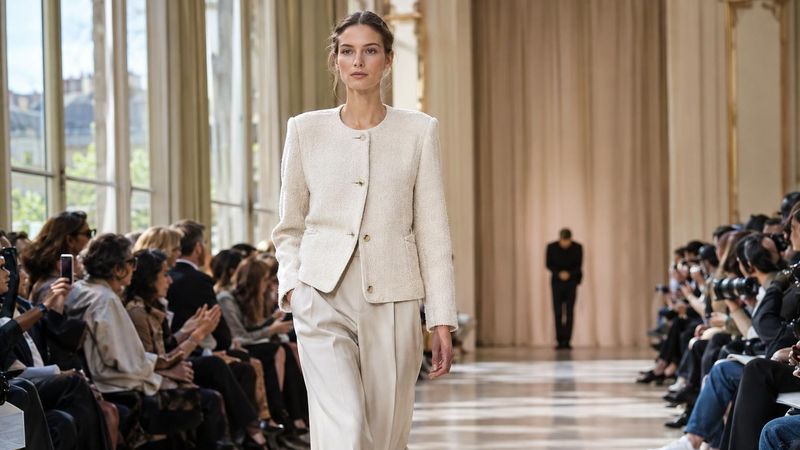
– All‑white linen or cotton (shirt and trousers or a dress) with darker leather accessories. The high contrast photographs crisply without looking overstyled.
– Hero skirt (print or color) + minimal neutral tank + flat leather sandals. Let the skirt provide the interest while everything else stays clean.
Keep bags light and functional — crossbodies or small totes you can actually carry all day. Avoid pieces that read purely as beachwear; the sweet spot is “I could walk into a meeting like this, I just happen to be melting on the way there.” That balance is what many editors now consider modern summer polish.
Using heatwave images to move your career forward
Once you have strong pictures in this space, make them easy to find. Curate a small “summer edit” in your portfolio: 8 to 12 images that show you working convincingly in extreme heat — a resort‑leaning look in a city location, a breathable office outfit in full sun, a candid‑feeling street‑style shot between shows. Share that selection directly with your agency so they can push it when clients brief high‑summer stories.
On social, post heatwave looks that still read as professional: clear credits, simple backgrounds, no party framing. Tagging cities like Paris, Milan, or New York and brands whose codes you’re reflecting helps position you as someone who understands where summer fashion is headed. In Ton’s words, the real luxury in the age of the heatwave is clothing that lets you breathe — and for models, showing you can embody that ease is quickly becoming a booking advantage.