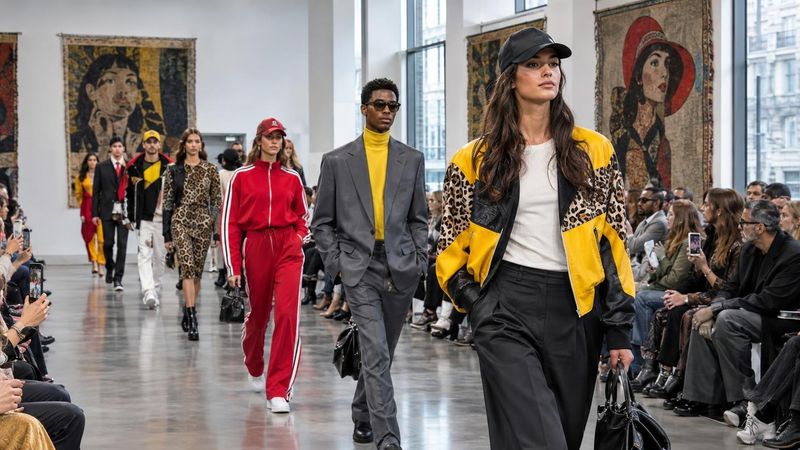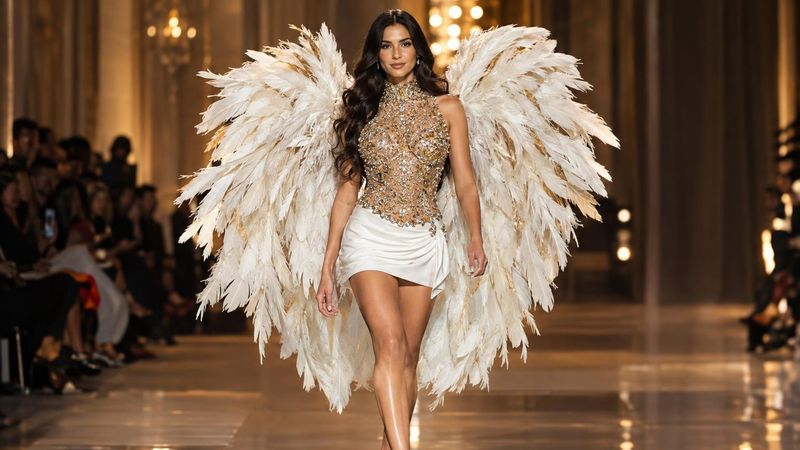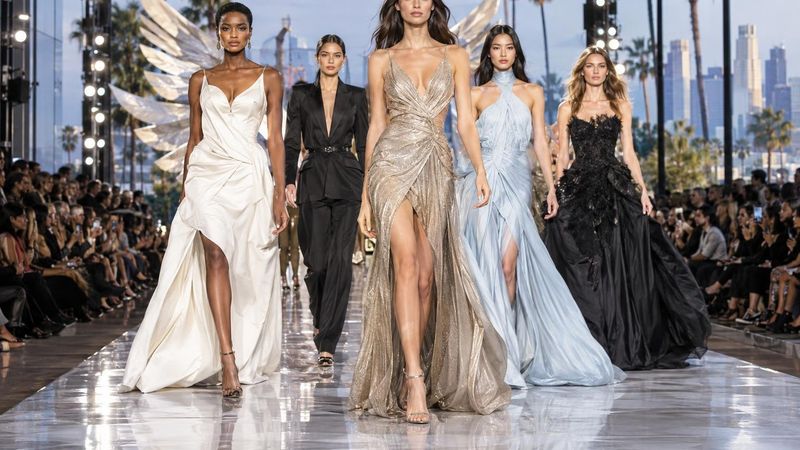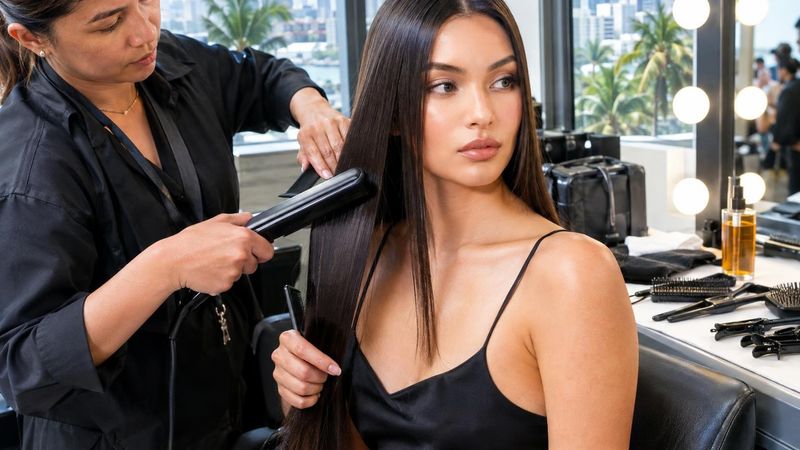
Fashion Week Asia’s debut edition in Manila settled on a hair code that reads as quietly as it looks: straight, polished, controlled, with movement built in rather than ironed out. Cream Silk Pro Salon held the backstage glam chairs as the event’s Official Hair Styling Partner, and the direction held steady from show to show. Nothing frizzed, nothing flew, nothing looked lacquered into place.
That balance is why these looks travel well off the runway. The technique behind them repeats at home, and for models and aspiring models, the same prep habits double as casting-day etiquette. Here is how the week’s sleekest hair came together, and how to rebuild it on your own head.
Why Sleek Hair Ruled Fashion Week Asia in Manila
The inaugural Fashion Week Asia ran in Manila as a multi-day program mixing runway shows with an industry forum and a re-see, the appointment where buyers and press circle back for a closer pass at the collections. Hair had to survive all of it: tropical humidity, hot runway lighting, fast changes, and a schedule with no pause for touch-ups.
Straight, glossy hair also does something specific for a garment. It keeps the neckline, shoulder line, and collar readable, which matters when a designer has spent months on a silhouette. Hair moving in twelve directions competes with the clothes. Hair that sits close and shines does not.
The backstage philosophy
Lead stylists Mark Rosales and Wesley Jay built the backstage approach around diagnosis before styling. Texture, condition, lifestyle, and climate get assessed first, because the same flat iron pass behaves differently on fine hair than on thick, wavy hair in humid air. Their other two rules: the prep blow-dry is non-negotiable, and heat protection goes on before any tool touches the head.
The Backstage Formula: Four Steps That Beat a Home Blowout
Runway-straight hair is not one step performed well. It is four steps performed in order, and skipping any of them is why home attempts go flat at the crown or frizzy at the ends.
Diagnose. Know your texture and how it reacts to humidity before choosing a tool or temperature. Fine hair scorches fast. Coarse hair needs more heat and more patience.
Prep. Start in the shower. A clarifying or straightening wash, then conditioner and treatment on the mid-lengths and ends rather than the roots, where product only adds weight. A weekly mask carries the repair load.
Build structure. Blow-dry with the nozzle aimed downward, section by section, smoothing the cuticle in the direction the hair grows. This is the step most people rush, and it decides how hard the flat iron has to work.
Finish. Thin sections, slow passes, and a lightweight anti-humidity serum on the mid-lengths and ends. Heavy oil at the roots and stiff lacquer are the two fastest ways to lose the movement the Manila runways kept.
Shoppers in Southeast Asia have one shelf option worth naming: the Cream Silk Pro Straight Lock range, pairing a conditioner, treatment, weekly mask, and serum. The brand credits the line’s Kera-Press Actives with salon-straight results lasting up to 30 days. Treat that as a brand claim, not a guarantee, and remember it is one route rather than the only one.
Three Signature Sleek Looks, Explained
Shellacked low bun and sleek pony
Rajo Laurel’s Archivo show leaned into glass-straight hair combed flat from the roots and gathered low. To rebuild it, work a smoothing gel or cream through the roots, comb flat with a fine-tooth comb, then gather the hair low and twist it into a bun or leave it as a clean ponytail. Pins do the holding. A flexible-hold spray does the rest.
Slicked roots, soft waves
Rosanna Ocampo’s runway took the opposite route below the crown: roots combed back with a glossy gel, lengths set in soft waves with a golden-hour, post-swim mood. Polished, not beachy-messy. Set the waves on damp hair, let them cool completely, then break the pattern with your fingers instead of a brush.
Relaxed French twist
Kelvin Morales kept the twist low and satin-finished rather than lacquered, which makes it the most forgiving of the three. Gather at the nape, twist upward loosely, and secure with pins placed where they catch the roll rather than the scalp.
Model POV: Hair Prep for Castings and Show Days
At a casting or go-see, arrive with clean, dry, product-free hair. Over-styling backfires, because a stylist cannot reshape hair that has already been set with spray. Bring a hair tie, a comb, and a light serum in your bag, and nothing heavier.
On show day, the job is to be a good canvas: prepped, not already done. Hair a stylist can comb, part, and pin without fighting yesterday’s product gives them options, and options earn repeat calls.
Across a season of castings, protect the asset. Rotate heat tools, take recovery days between straightening sessions, and treat a repairing mask as part of the schedule rather than a rescue mission.
Steal the Look Without Wrecking Your Hair
Match iron temperature to texture rather than habit, keep passes slow and sections thin, and never run a tool over hair that is still damp. Warning signs you are overdoing it: ends that feel like straw when dry, snapping when you brush, and a scalp that stings after styling.
A runway-grade kit is shorter than most people expect:
- Blow-dryer with a concentrator nozzle
- Adjustable flat iron
- Boar-bristle brush and tail comb
- Sectioning clips
- Clarifying shampoo, smoothing conditioner, weekly mask
- Heat protectant, lightweight shine serum, flexible-hold spray
For a ten-minute version, skip the full blow-dry, smooth only the front and crown, and pull the rest into the low pony or twist. Office days take the slicked-root look with a smaller wave. Evenings take the shellacked pony with a glossier serum. The formula does not change. Only the time you give it does.