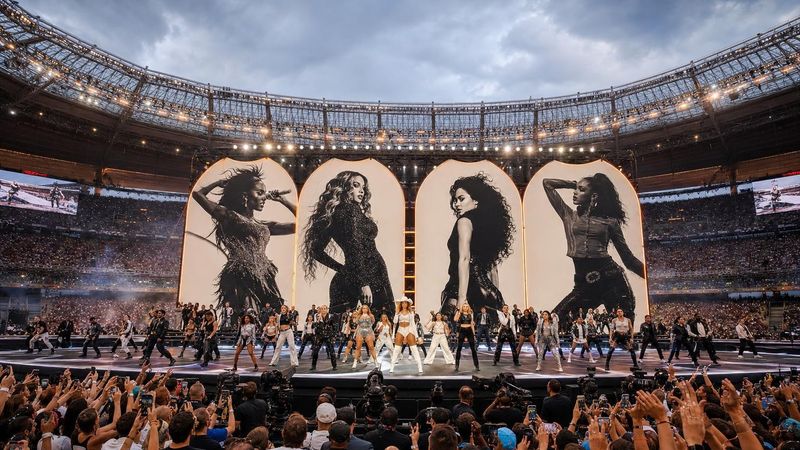
On 19 July, the men’s FIFA World Cup 2026 Final Halftime Show in New York New Jersey Stadium will stop being a simple break in play and turn into a global fashion and beauty moment. For the first time, the final gets a fully staged, Super Bowl‑style performance fronted by Justin Bieber, Madonna, Shakira and BTS – four artists who already sit at the center of luxury, streetwear and beauty campaigns.
The 11‑minute set, curated with Coldplay’s Chris Martin and Global Citizen, doubles as a fundraiser for the FIFA Global Citizen Education Fund, which targets 100 million dollars for children’s education and football programmes, including 1 dollar from every World Cup ticket. Beyond the charity headline, those few minutes are poised to become the most valuable live “runway” a brand can buy into, changing how future performance, fashion and beauty deals are negotiated.
World Cup 2026 halftime show becomes a global super‑runway
The show will unfold at MetLife’s New York New Jersey Stadium with a cast designed to reach almost every age and region: co‑headliners Bieber, Madonna, Shakira and BTS joined by Burna Boy, conductor Gustavo Dudamel, the PS22 Chorus with Coldplay, plus Sesame Street and Muppets characters. It is structured as an intense, TV‑first, 11‑minute performance aimed at hundreds of millions of viewers in real time and countless replays afterward. In effect, it turns the World Cup final into a second, parallel event built around spectacle, styling and storytelling.
Justin Bieber underlined the scale by saying that “the FIFA World Cup brings the world together in a way nothing else can”. That positioning matters for brands as much as for fans. The Education Fund’s social‑impact framing makes the stage especially attractive for fashion and beauty groups that now need glamorous moments to feel responsible and future‑focused. A halftime slot here is not just product placement in a concert; it is a chance to be associated with unity, childhood and education while sitting inside one of the most watched broadcasts on the planet.
Madonna, Shakira, BTS and Bieber: four style universes on one stage
For fashion and beauty strategists, the lineup reads like a casting brief. Madonna brings decades of boundary‑pushing stagewear, from corseted bodies to sharply tailored power looks, plus a history of reinventing hair and makeup each era. Shakira arrives with World Cup heritage, high‑energy performance costumes that translate into athleisure and dancewear trends, and instantly recognizable hair that beauty brands love to reference. BTS have already proved how a group can shift seamlessly between couture suiting and youth‑driven streetwear while fronting major luxury and beauty campaigns. Bieber, meanwhile, has evolved from teen pop to a laid‑back mix of oversized streetwear, wellness and soft grooming that speaks directly to younger male consumers.
Each artist carries a distinct geography and demographic. Madonna leans into legacy pop and fashion‑savvy Gen X and millennials, Shakira anchors Latin and global family audiences, BTS supercharge Asia‑Pacific and Gen Z, and Bieber connects North American and streaming‑first fans. For a single halftime show to merge all four essentially gives fashion and beauty conglomerates four highly targeted “micro‑markets” on one shared screen, making wardrobe, accessories and glam decisions unusually high‑stakes.
How an 11‑minute set can rewrite fashion and beauty brand deals
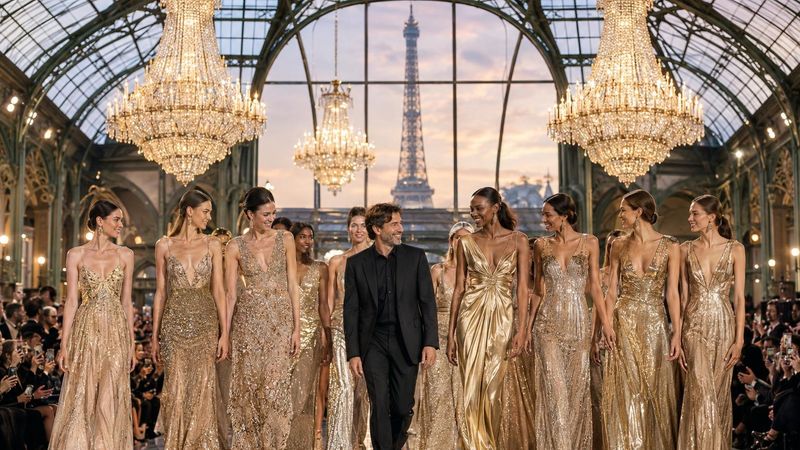
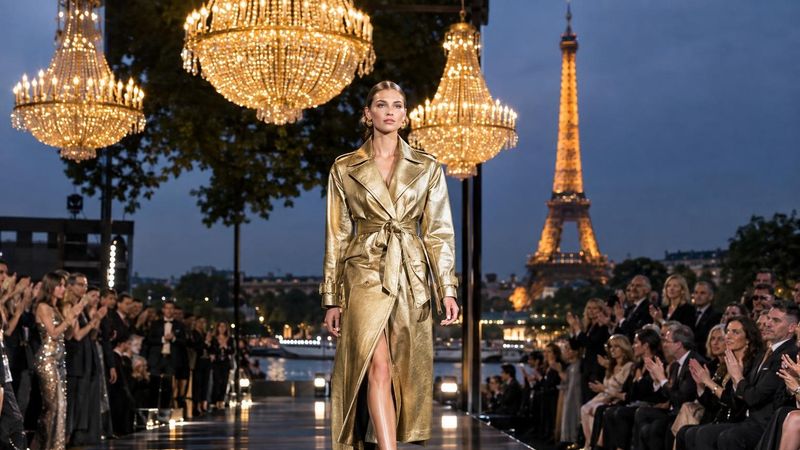
Super Bowl halftime slots already function as moving editorials where one custom look can fuel a full campaign. The 2026 final raises that bar by attaching the same logic to a truly global, multi‑language audience and an education mission. Brands that dress or glam even one of these headliners gain ownership of images that will loop across social feeds, billboards, streaming thumbnails and magazine recaps. That is likely to hard‑wire performance clauses into future contracts, where ambassador deals are no longer just about print and red carpets but also about delivering at least one stadium‑scale live moment.
For models, stylists and makeup artists, this kind of show also changes the brief. Choreography‑friendly fashion, high‑impact yet sweat‑proof beauty and accessories that read from the upper deck all move higher on casting directors’ agendas. In the 12 months after New York, expect brands to chase “stadium glam” campaigns that echo what worked on this stage: hybrid sportswear and couture, hair that moves on beat, makeup that survives close‑ups under floodlights. The quiet question behind every major deal will sound familiar across the industry: can this partnership create a halftime‑level moment that lives far beyond those 11 minutes?