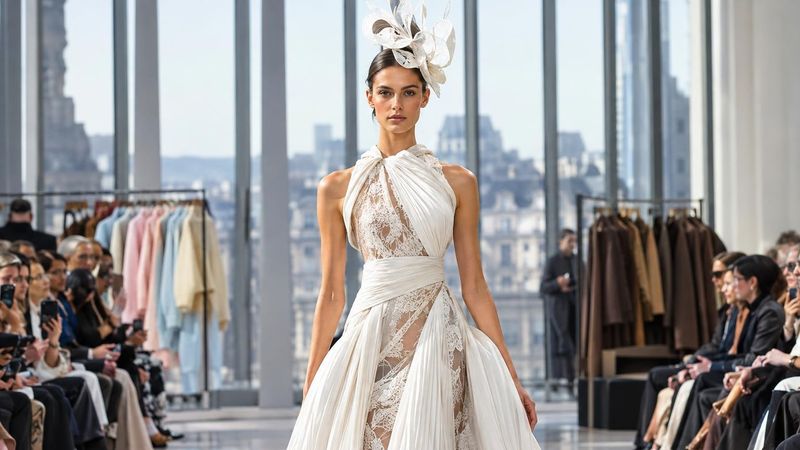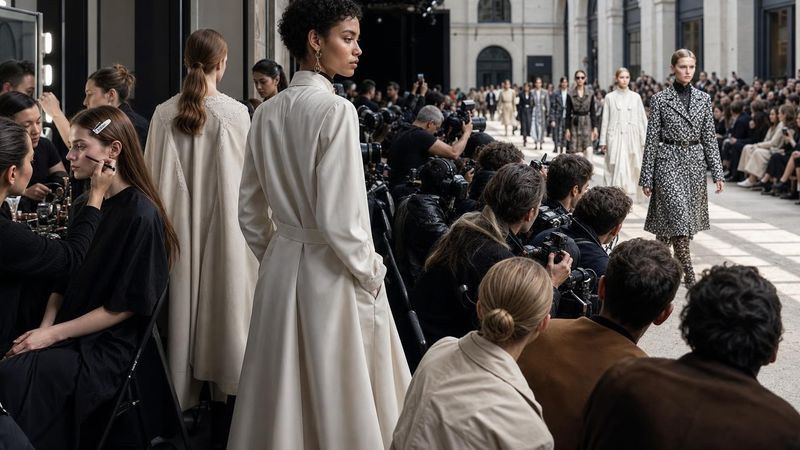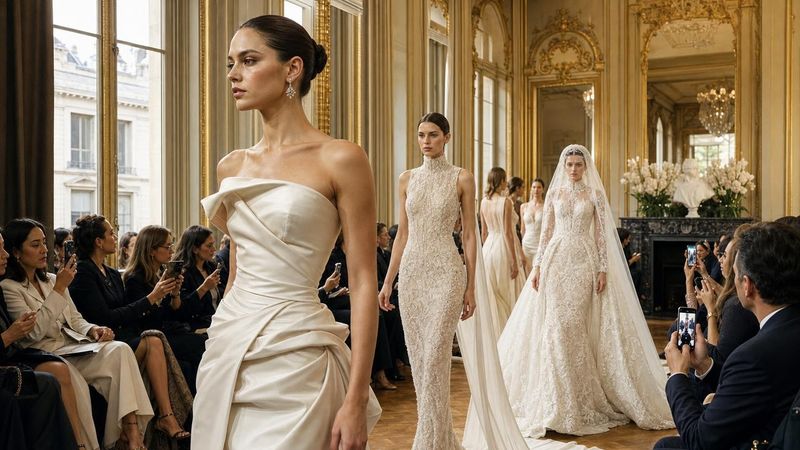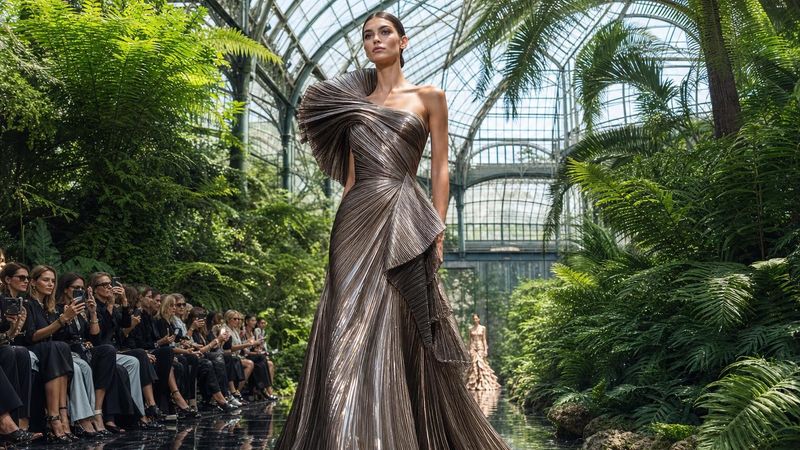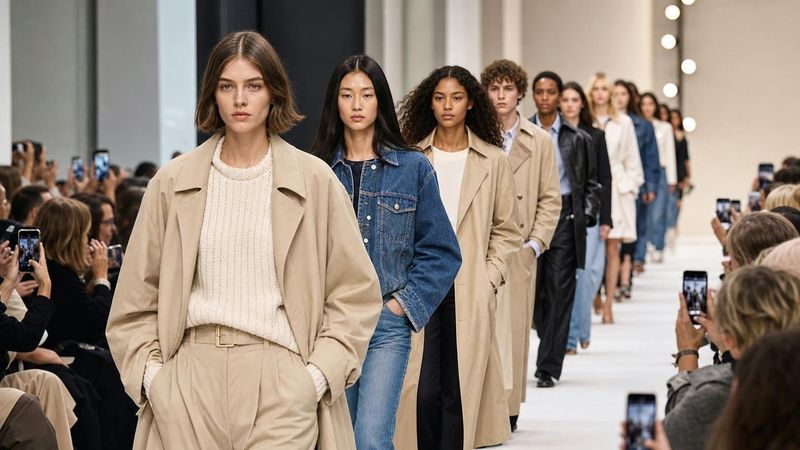
Marks & Spencer is stepping onto one of fashion’s most closely watched stages. In September 2026, the British high‑street giant will stage its first full runway show on the official London Fashion Week schedule, presenting a mixed womenswear and menswear collection in a straight “see now, buy now” format, streamed live and shoppable the same day.
For models, this is not just another brand joining the calendar. It brings a mass‑market retailer with real volume into a space traditionally dominated by designer labels, putting a line‑up of highly commercial looks in front of London’s editorial casting directors, big retail buyers and global e‑commerce bookers at the same time. The result could be a new lane for faces who can move between high‑fashion polish and everyday relatability.
London Fashion Week’s Shoppable Turn Sets the Stage
London Fashion Week has always been a working trade event as much as a spectacle. Launched in 1984 and run by the British Fashion Council, it now showcases more than 250 designers to an audience of over 5,000 editors and buyers, with orders running into more than £100 million each season. The show schedule, presentations and showrooms function as a live marketplace where collections are seen, dissected and bought in real time.
Over the past decade, London has also been a laboratory for new ways to connect catwalk and customer. Burberry’s decision to live‑stream its show from London and let viewers shop selected looks helped kick‑start the “see now, buy now” era. The British Fashion Council rolled out a digital platform, and live feeds from Somerset House and later venues turned runway into a clickable shop window. High‑street players like Topshop used their own London Fashion Week shows to let viewers buy pieces straight off the catwalk, nudging the event toward a more shoppable, consumer‑facing model.
Inside Marks & Spencer’s ‘See Now, Buy Now’ Debut
The September 2026 Marks & Spencer show builds directly on that evolution. British press report that the collection will be instantly available online and in key UK stores as the models leave the runway, positioning the event as both a London Fashion Week moment and a live retail launch. The timing is symbolic: it aligns with roughly a century of M&S selling clothing and follows a visible style push, from upgraded tailoring and outerwear to more directional collaborations. The show will be fully streamed, making the front row effectively global.
M&S is not entirely new to the London Fashion Week ecosystem. A decade ago, the retailer presented its Best of British line in a static format during the men’s schedule and aligned with the British Fashion Council’s Positive Fashion initiative. In 2016 it experimented with a “see now, buy now” drop at retail, releasing pieces months ahead of the usual calendar. What is different in 2026 is the combination: a full catwalk show on the official London Fashion Week runway, built from the start as a mass‑market, immediately shoppable collection backed by serious e‑commerce investment, including plans to expand its online logistics hub in the coming years.
What This Means for Model Casting and Career Paths
For casting directors and agents, London Fashion Week already functions as a live scouting board. With thousands of industry guests on site and many more watching remotely, a strong walk can translate into editorials, campaigns and further runway work across the “Big Four”. A high‑profile, fully shoppable M&S show adds another layer, drawing in commercial bookers focused on TV ads, catalog, online retail, in‑store imagery and regional campaigns, all watching the same line‑up.
The models who stand to gain most are those with hybrid profiles. A Marks & Spencer runway will still ask for confident, fashion‑literate movement that reads on a London catwalk. At the same time, the camera will be selling clothes to a broad customer base, so casting is likely to lean into faces and bodies that feel approachable and diverse, in line with the way large retailers already present their campaigns. For working and aspiring models, that means portfolios that balance clean e‑commerce and lifestyle images with a few sharp, editorial stories; the ability to shift from cool, minimal runway attitude to warm, product‑focused energy; and real comfort in front of multiple cameras on a live stream. As high‑street brands test this kind of slot at London Fashion Week, the models who can bridge editorial credibility with mass‑market appeal will be the ones whose bookings multiply fastest.