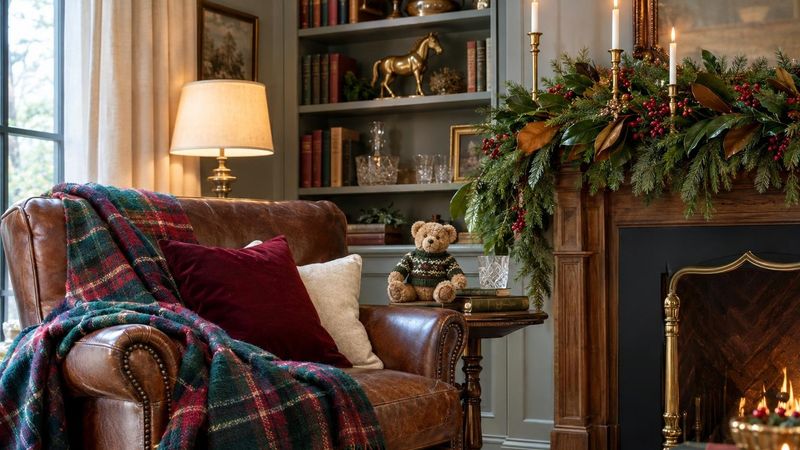
Every holiday season, the same decorating language resurfaces across TikTok, Pinterest, and interiors coverage: deep tartan, burnished brass, velvet ribbon, and pine garlands, plus an obliging teddy bear in a knit sweater somewhere in the frame. Shoppers have a shorthand for it. They call it Ralph Lauren Christmas decor, and it has outlasted the seasonal micro-trends that arrived alongside it.
The look matters beyond mood boards. Its staying power comes from decades of world-building that Ralph Lauren did long before a hashtag named the aesthetic, and it explains why the brand’s influence reaches well past the runway. Understanding that crossover tells you a great deal about how lifestyle brands actually operate.
Why the Ralph Lauren Holiday Look Refuses to Expire
Decor trends usually burn bright and fade by January. This one keeps returning because it is less a passing fad than a timeless decorating language: a set of colors, materials, and references that feels equally at home in an English manor and an American farmhouse.
The appeal is rooted in heirloom thinking. Shoppers increasingly want pieces they can reuse year after year rather than disposable novelties, and this aesthetic rewards that instinct. Tartan throws, brass candlesticks, and etched glassware look better with age, so a collection grows instead of resetting every December.
There is a practical reason the look endures as well. Much of it is not holiday-specific. Equestrian prints, iron bookends, and horsebit serving trays are meant to stay up long after the tree comes down, which is why they keep their place in a room once the season ends.
What the Look Actually Looks Like
Start with the palette: deep reds and burgundy, dark forest greens, navy, warm gold and brass, wood browns, and cream, with a little black to give the arrangement structure. The result reads as old money without announcing itself.
Tartan does most of the heavy lifting. The print is a traditional Scottish plaid, defined by symmetrical stripes that meet at ninety-degree angles, and moodier colorways such as forest green, navy, and burgundy keep it from tipping into costume. It shows up as a sofa throw, a tablecloth, napkins, or ribbon wound through the tree.
Then come the textures: velvet cushions, thick wool, tweed, leather, and faux fur, layered rather than matched. Monogrammed pieces add a custom feel. Equestrian references, including vintage riding prints and brass horsebits, nod to the brand’s polo heritage, while the Polo Bear motif remains its most recognizable signature.
Lighting finishes the scene. Warm white only, never cool, supported by candles and lanterns. Greenery should look generous: full pine garlands, wreaths, magnolia leaves, pinecones, red roses, and berries.
The Brand Behind the Mood Board
Ralph Lauren has been staging this exact scene for decades. Campaigns, store interiors, and the brand’s home collection trade on the same imagery of family fireplaces, country estates, and quiet, well-worn luxury. The holiday aesthetic spreading online is not an invention of social media. It is a distillation of brand imagery that has circulated for a generation.
The London installation on Sloane Square makes the strategy visible. Wooden chalets, a barn, and a vintage red pickup truck turn the shopping area into an immersive village, with the emphasis on atmosphere and ritual rather than a purely digital experience. Photos from the site travel far beyond the people who visit it.
That is the lesson for anyone watching the industry. A lifestyle brand does not sell a single product category. It sells a complete world, and decor is one more surface for the same story the runway tells.
How to Get the Look Without a Runway Budget
Decorators who work in this style repeat one rule: buy the aesthetic, not the label. Most of the effect comes from arrangement and restraint rather than one expensive purchase.
Begin with a single anchor textile, a tartan throw or tablecloth, and build around it. Shop your own home before shopping anywhere else. Crystal glassware, inherited silver, and ornaments that have sat in a cupboard for years fit the mood better than anything new.
Small-ticket moves carry the rest. A roll of plaid ribbon wrapped around candlesticks, tied into napkin rings, or threaded through the tree changes a room quickly. Thick velvet cushion covers refresh seating you already own. Two or three brass or gold candlesticks add the metallic note, and secondhand shops are full of Nutcracker figures, reindeer, retro baubles, and etched glass. Creators have styled entire rooms from discount-store finds, which proves the point.
Finish with restraint. One statement pattern per room, warm white bulbs, layered garlands rather than flat ones, and no novelty signage.
Why the Look Won’t Date, and What It Says About the Brand
Nothing about this look depends on a single season. The palette leans on traditional colors, the materials improve with wear, and the logic favors a few heirloom pieces added each year over an annual reset. That is a durable design brief rather than a viral moment.
It also shows how thoroughly Ralph Lauren has extended its identity past clothing. The same codes that built a polo shirt business extend to a room, a holiday, and a way of living, and customers who never attend a show still absorb the campaign imagery.
For aspiring models and industry observers, that reach is the part worth studying. Campaign and lifestyle shoots cast talent to embody a world, not simply to wear clothes. The most valuable fashion work sells a set rather than a garment, and few brands have done it longer.