A black-tie wedding is one of the few invitations that asks a guest to dress at full evening formality, and the dress code leaves little room for interpretation. Floor-length gowns, luxe fabrics, and polished styling are the baseline, which is why so many guests end up searching for black-tie wedding guest dresses that feel correct without looking like a uniform. Learn the rules first, and the shopping gets much faster.
The freedom sits inside those rules. Black tie does not mean black, and it does not mean boring. Color, texture, and silhouette are all fair game, from bias-cut silk slips to cape-effect columns, with jewelry and shoes doing the final work. What follows is a practical framework plus 28 formal options grouped into seven mood directions, four gowns each.
What Black Tie Really Requires of a Wedding Guest
Length is the hard line. Strict black tie means floor-length, and midi dresses do not qualify, no matter how dressed up the fabric looks. The same standard rules out casual cutouts, sundresses, and anything that reads like clubwear or officewear. Whites, ivories, and pale shades that photograph close to white stay off the list, and silhouettes that mimic bridesmaid dresses are best avoided.
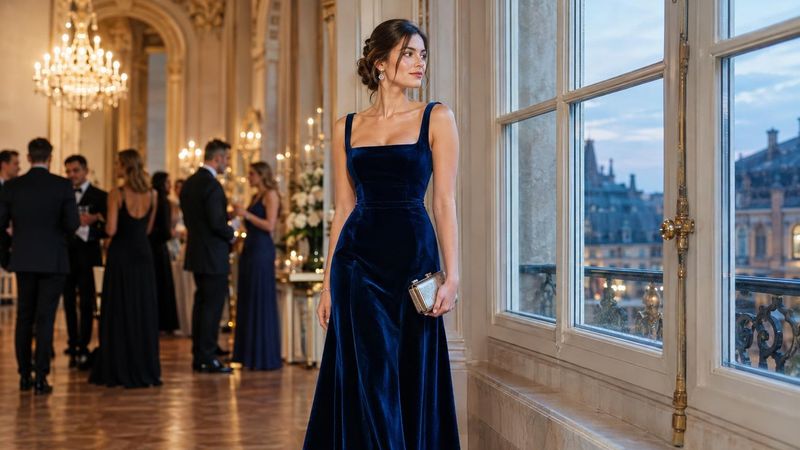
Fabrics carry the formality. Silk, satin, velvet, jacquard, tulle, chiffon, crepe, sequins, and beading all signal evening. Silhouette options include column, A-line, soft mermaid, bias-cut slip, draped wrap, halter, one-shoulder, off-shoulder, and long sleeves. Sharply tailored jumpsuits in luxe fabric can work at some events, but this guide focuses on gowns. Black-tie optional is a looser code that allows elevated midi lengths; strict black tie does not. When the invitation is unclear, the venue, the season, and the time of the ceremony are the best context clues.
Color, Fabric, and Season: Reading the Invite
Jewel tones do the heaviest lifting for evening weddings. Emerald, sapphire, burgundy, amethyst, and deep violet read rich under low light without competing with the couple. Deep chartreuse with gold, moody florals, and Art Deco-inspired beading add personality. Winter favors velvet, long sleeves, and dark shades; warm-weather weddings suit satin, chiffon, crepe, and lighter jewel tones. Floral prints work year-round at night when the color story is dark and romantic rather than garden bright.
Venue shapes the choice as much as the calendar. A historic ballroom rewards structure and shine, a modern city loft takes clean minimalism, and a vineyard or garden evening accommodates flowing fabrics and movement. Metallic finishes and sequins suit evening receptions and New Year’s Eve weddings, where the room is dark and the cameras flash. Fabrics that catch light, including satin, velvet, and beaded surfaces, tend to photograph better than flat matte materials, especially in flash photography.
Silhouette and Fit: What Moves Well and Photographs Well
A gown has to survive the full event: ceremony, dinner, dancing, and photographs. Bias-cut slips move with the body, columns read clean in pictures, and soft mermaids add drama without volume. A cape-effect or one-shoulder detail gives a simple dress an editorial edge. The practical test is a walk and a sit in front of a mirror before the event, ideally in the shoes you plan to wear.
Treat alterations as part of the budget, not an afterthought. Hem length, strap adjustment, and waist suppression change how a gown behaves, and formalwear rarely fits perfectly off the rack. One focal point works better than three: a statement neckline, a dramatic sleeve, or a high slit, but rarely all at once. That single rule separates a polished look from a busy one, and it applies whether the gown costs a little or a lot.
How to Finish the Look: Jewelry, Shoes, and Bags
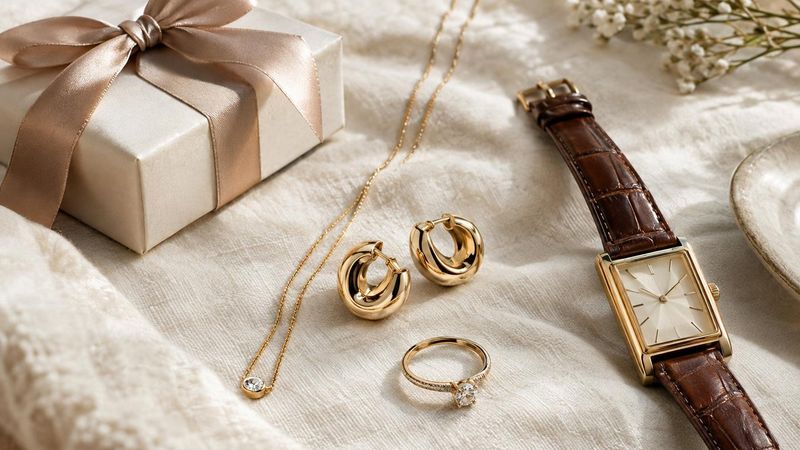
Jewelry should follow the dress, not fight it. Heavy beading, sequins, or velvet call for minimal pieces, while a plain silk column can handle statement earrings or a necklace, though rarely both at full volume. Metallic heels work as neutrals. Block heels handle grass, cobblestones, and long walks better than stilettos, and embellished flats are a legitimate choice for guests who plan to dance.
Bags stay small and structured: a clutch or minaudiere that holds a phone, a lipstick, and a key card. A slouchy suede clutch can also carry a shawl and a pair of backup flats for the ride home. Evening outerwear matters in cold months, so plan a wrap, shawl, or tailored evening coat that suits the gown rather than covering it at the door.
The 28 Options: Seven Moods, Four Gowns Each
Sorting the search by mood makes the decision faster. Velvet Crush covers long columns, halter maxis, and draped gowns for winter and holiday dates. Modern Black with a Twist covers cowl backs, blouson bodices, off-shoulder cuts, and lace. Jewel-Tone Statements covers violet, emerald, burgundy, and sapphire. Shimmer and Shine covers sequins, feather trim, liquid satin, and metallic gold. Evening Florals covers floral cloqué and moody ruffles. Sleek Slips and 90s Minimalism covers bias-cut silk and ruched mesh. Statement Sleeves, Capes, and Drama covers cape details, one-shoulder drapes, and sculpted tulle.
Ordering early leaves room for shipping delays and tailoring, especially during wedding season. A gown that reads black tie once also rewears well for galas, formal dinners, and other evening events with simpler accessories. Choose the dress that fits the code, then let color, fabric, and finish make it memorable.